Pocket Notebook or Phone Camera for a Nature Walk?
Choose a pocket notebook or phone camera for a nature walk with a simple method for recording useful details while keeping your attention on the trail.

The common mistake on a nature walk is bringing both a pocket notebook and a phone camera “just in case,” then spending more attention managing them than noticing the path. Choose a pocket notebook or phone camera before leaving, and the record is more likely to serve the outing rather than compete with it.
Choose for the walk
A pocket notebook suits someone who wants to notice details that do not fit neatly in a photograph: the order of birdsong, a change in trail surface, or the way light falls beneath the trees. A pencil is a simple choice in damp conditions, and a small notebook slips into a jacket pocket. The notes can preserve a thought, though they may not identify a plant you cannot name.
A phone camera is better for details that are easier to recognize visually, such as a leaf’s edge, a trail sign, or a cloud’s shape. It can make a quick reference image without requiring you to write. The tradeoff is that a phone brings its other uses along: messages, notifications, and the temptation to review pictures before the walk is over.
Think about the kind of record you will actually revisit. If you like rereading observations, choose the notebook; if you want a visual reminder and already use your phone comfortably, the camera may be enough.
Plan a morning
Before a morning walk, decide what you hope to remember. You might want to track how a familiar path changes or keep one image of an interesting detail. That small intention gives the tool a job and discourages carrying a second one without a reason.
- Before leaving: Check the forecast and choose a pocket or bag compartment that is easy to reach. If rain is expected and your notebook has no cover, put it in a reusable waterproof bag or choose the phone with suitable protection; if neither is practical, leave the record-keeping tool at home.
- At the trailhead: Set a simple limit, such as one observation at each natural pause. If you can follow that limit, use it; if recording starts to distract you, put the tool away until the next stop.
- During the walk: Use the tool only when something catches your attention. If you have a clear detail to preserve, record it; if not, leave the ordinary stretch unrecorded.
- At a pause: Add a short note or take a single reference image, then put the tool away. If the detail needs context, add a few words or include the surroundings in the image; if it does not, keep the record brief.
- After returning: Review the record once. If it helps you remember the outing, keep it; if it creates sorting without adding useful context, discard or skip it next time.
- For a plant you cannot name: Record visible features and the location rather than guessing. If identification matters, consult a reliable field guide later; if it does not, leave the name open.
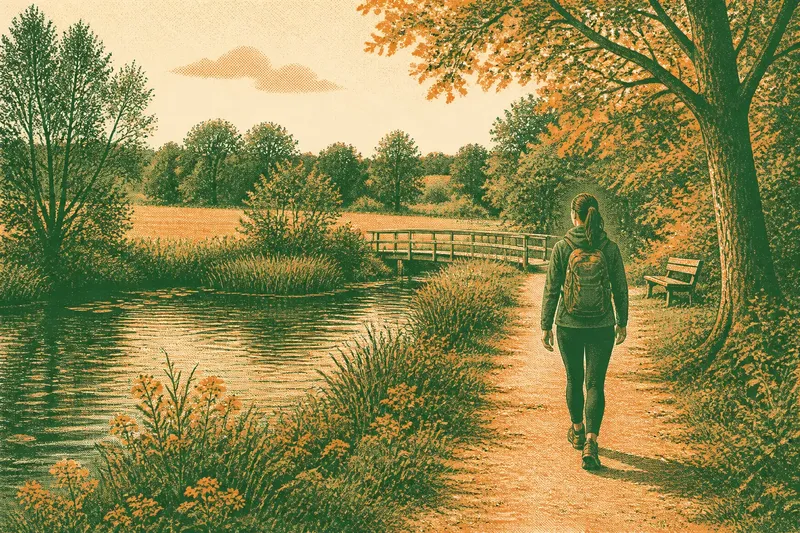
Say you are walking a familiar creek path and want to remember where spring flowers appeared. Starting with a pencil, pocket notebook, and no plan to identify the flowers, you stop and write, “below the bent cedar, beside the gravel bank,” then put the notebook away. The resulting note preserves the location in words; if you instead need to compare the flowers’ appearance later, a phone image that includes the plants and their surroundings offers more visual detail, at the cost of taking out the phone.
Keep attention outside
Writing can sharpen attention because it asks you to choose a detail and describe it. “Wind in the reeds” is brief, but deciding whether the sound is steady, rattling, or intermittent may make you listen more closely. A notebook also captures impressions a camera cannot show, such as a sudden quiet after traffic fades.
Photography asks for a different kind of attention. Framing a subject can make you notice its outline, background, and relation to the trail. But composing an image can replace looking with screen-checking, especially if you repeatedly retake or inspect pictures.
To keep either tool from taking over, use it at pauses rather than while walking. Notice first; record second.
Pack with less fuss
A notebook and pencil are simple, but they still need to stay dry and usable. A notebook with a firm cover is easier to write in while standing than loose paper, and a pencil avoids ink concerns. If rain is likely, protect the notebook in a small reusable bag or leave it at home.
A phone camera adds no separate camera if your phone is already coming along, but it may need more deliberate handling. Keep it in a secure pocket, and consider whether you can take a picture without removing gloves or setting down other belongings. On a walk where you want to disconnect, a notebook can make the choice easier because it does not display incoming alerts.
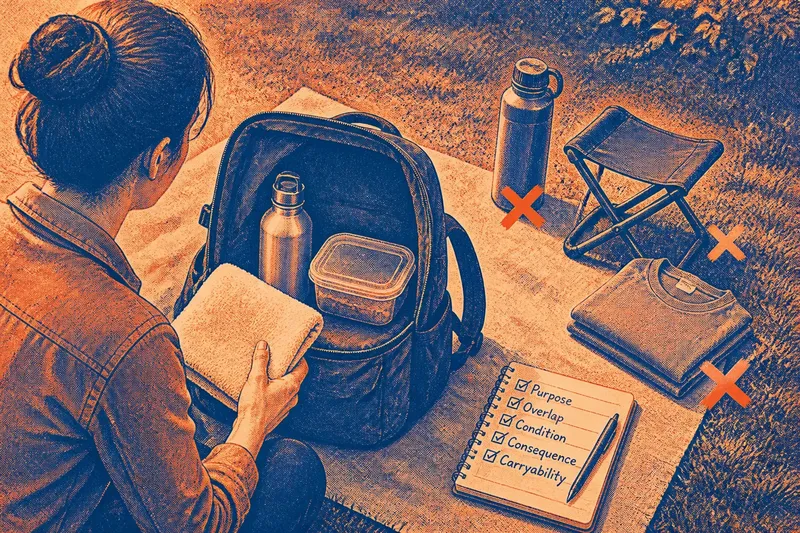
For either option, avoid accessories unless the outing gives them a clear purpose. A spare lens, bulky journal, or extra writing tools can turn a light record into another thing to manage.
Which record fits?
Is a notebook better for identifying plants?
A notebook helps you describe a plant’s location, shape, and surroundings, but a description may not be enough for identification. Record visible details rather than guessing at a name, and consult a reliable field guide later if identification matters.
Can a phone camera replace field notes?
A photo preserves color and form, while a short note can capture context that may be missing from the frame. If you need both kinds of information, add a brief caption after taking the picture rather than carrying a second dedicated device.
What if I want to stay off my phone?
Choose a pocket notebook and keep the phone tucked away for navigation or emergencies. If you still prefer a visual record, take one photo at a planned pause and return the phone to your pocket.
Which option works better in wet weather?
Neither is automatically trouble-free: paper can become difficult to handle when wet, while a phone may require protection suited to its design. Check the device maker’s instructions and use a notebook cover or phone case appropriate to the conditions.
Review without turning it into work
When you get home, give the record a brief, practical review. For a notebook, underline an observation you may want to follow up on, such as a new trail sign or a bird call you could not place. For phone images, keep the few that clearly remind you of the walk and remove accidental duplicates if you feel like it.
There is no need to build a detailed archive unless you enjoy one. The useful test is whether the record brings back a specific moment or helps you make a small decision about a future outing. If it does, keep the habit; if it mostly creates sorting, leave the tool behind next time.
For a nature walk, the pocket notebook or phone camera choice is less about which tool is superior than which one asks less of your attention. Pick the lightest method that preserves what you care about, and leave room for the parts of the walk that do not need a record.