Before the Daypack: How People Carried Their Picnic
Before the daypack, picnics traveled in baskets, food hampers, and cloth parcels. See how those carriers shaped simple, low-cost meals outdoors.
The common mistake is to imagine that people simply packed a modern picnic into an old-fashioned bag. Before the daypack, a cloth parcel, household basket, or purpose-made food hamper carried the meal—and each suited a different outing. For a low-cost picnic today, that history points to a useful choice: match what you plan to eat to the route and the carrier you already have.
Household Parcels
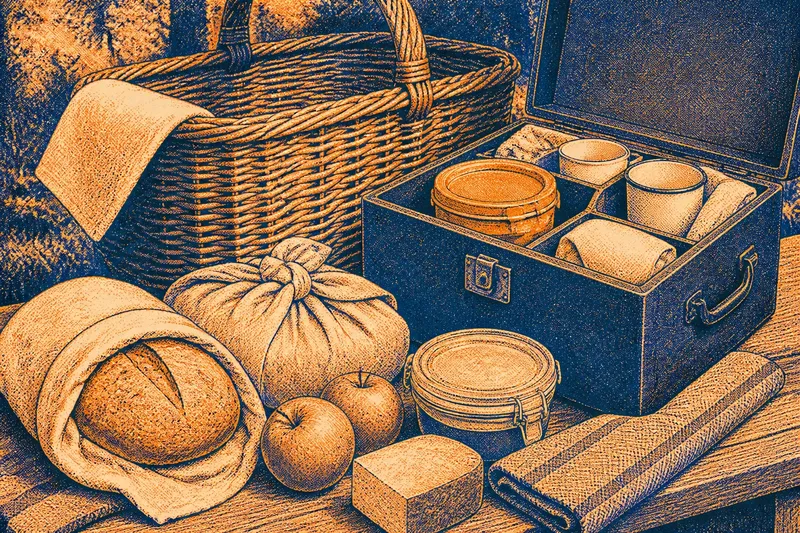
A cloth wrapped around bread, cheese, or fruit made a compact parcel that could travel with a person on foot. A covered pot or lidded container could carry prepared food, while a household basket could gather several items. These were ordinary objects put to use outdoors, not necessarily specialized picnic equipment.
That distinction keeps the history grounded: a wrapped lunch does not require the same arrangement as a meal with plates and cups. For a short walk to a garden, a parcel might be enough. For a longer outing with several diners, a carrier that holds separate dishes and serving pieces becomes more useful.
Use what the meal and route require, rather than treating a particular carrier as the proper way to picnic.
Picnic Hampers
A picnic hamper is a basket or case arranged to carry food and, in some forms, tableware. Its practical purpose is easy to picture: keep a group’s provisions together until they reach a chosen spot, then make the contents available for serving. The word “hamper” covers varied containers, so it does not imply one standard design or a single historical period.
Some hampers were made with compartments or fittings for dishes and utensils; others were simpler containers. A divided interior could keep pieces from shifting into one another, while a plain basket depended on wrapping and careful arrangement. These details shaped the meal: a carrier set up for cups and plates invited a different unpacking routine from a bundle containing only food.
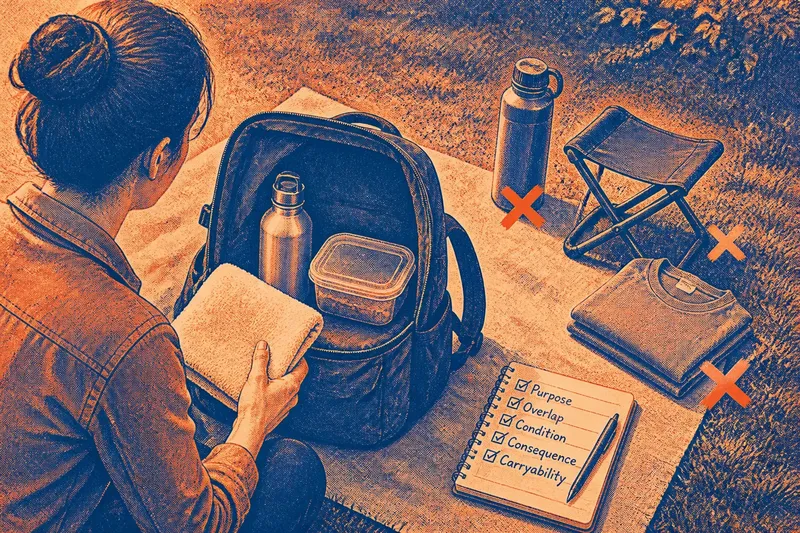
For an inexpensive outing now, a reused basket can serve the same basic purpose. A clean tea towel can separate items, and a lidded food container can protect anything that might spill.
Baskets and Boxes
A basket makes a varied load easy to arrange and retrieve, but its open weave does not shield every item from rain or pressure. A rigid box offers more protection from crushing, though it can be awkward when the route involves a long walk or uneven ground. Neither form tells us exactly what a particular person carried; it tells us what the container could accommodate.
Imagine a family setting out from a town park entrance for a short walk to a sheltered picnic table. They have a wrapped loaf, apples, cheese in a lidded container, and cups. They place the cups and lidded food in a rigid household box, then carry a folded cloth separately; at the table, the cups remain upright and the cloth becomes a serving surface. If their plan instead involved walking a longer wooded path, the box’s shape could be cumbersome, so they might split the load between a small basket and a shoulder bag.
The choice changes the outing’s handling, not just its appearance: the rigid box suits a short carry to a fixed place, while a divided, lighter load is easier to manage over a longer route.
Food and Carrying
Portable foods need to survive the journey in a form diners can manage. Bread, fruit, cheese, and baked dishes can be portioned or wrapped before leaving home; foods that spill or need careful serving call for a secure container. A carrier cannot make unsuitable food easy to transport, so the menu and the packing method have to agree.
For a low-cost picnic, decide first whether the food needs a lid, separation, or simply a clean wrap. Then choose among household items: a cloth parcel for sturdy food, a basket for a mixed load, or a lidded box for dishes that need to stay upright. Follow ordinary food-safety guidance for storage and handling, especially for foods that spoil easily.
- Check whether the food is sturdy and dry; if it is, wrap it in a clean cloth, but if it is soft or likely to leak, use a lidded container.
- Check whether cups or dishes need to stay upright; if they do, pack them in a rigid box, but if not, nest them in a basket with a cloth between pieces.
- Check whether the route is short and ends at a fixed place; if it does, a hand-carried basket or box may suit, but if it is a long walk, divide the load into manageable parcels.
- Check whether rain could reach the food; if exposure is likely, use a covered container or a waterproof outer layer, but if the carrier stays sheltered, a cloth lining may be enough.
- Check whether the meal needs plates and utensils; if it does, reserve space for them before packing food, but if it does not, carry only the food and a napkin to keep the load simple.
- Check whether the carrier is already available and clean; if it is, reuse it, but if it is damaged or difficult to clean, choose another household container that can be safely handled.
What Changed with Daypacks?
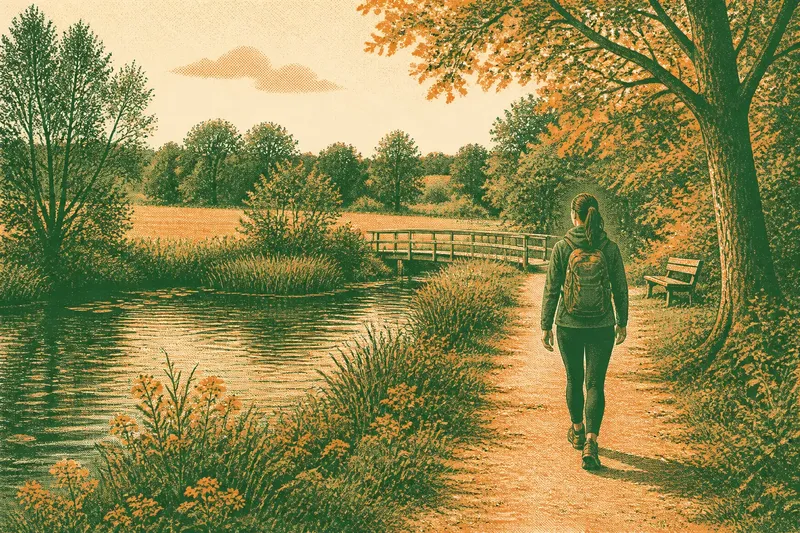
A daypack shifts the load from the hand or arm to the back, which can leave hands free while walking. Its flexible shape suits a route where carrying continues between stops, but food may need separate containers to prevent crushing or spills. This is a change in how the meal travels, not proof that baskets disappeared or that every outing adopted a new standard.
A basket or box can still make sense for a short trip to a fixed picnic spot; a daypack fits better when the walk is central to the plan. If the goal is to spend little, a clean household carrier may be enough. Use a food-safe container for anything that needs one, and follow the maker’s care directions.
Which Carrier Fits the Outing?
What is a picnic hamper?
A picnic hamper is a basket or case used to carry food and sometimes serving pieces. Designs vary, so the name alone does not tell you whether it has compartments or fitted tableware.
Why wrap food in cloth?
A clean cloth can keep sturdy food together without requiring a dedicated picnic bag. It offers little protection from crushing or leaks, so soft or wet foods need a more secure container.
When is a basket better than a box?
A basket can be easier to arrange when the load contains several different items and does not need rigid protection. A box is a better fit when dishes or food need to stay upright, provided the route is comfortable for carrying it.
Does a daypack replace a picnic basket?
No; the two suit different routes and packing needs. A daypack carries the meal on a walk, while a basket can be convenient for a short trip to a place where the group will settle.
Carrying on a Budget
Before the daypack, picnic food traveled in familiar forms: a cloth parcel for a small meal, a basket for a mixed load, or a hamper arranged for food and serving pieces. These carriers shaped what could be packed and how the meal was opened, but the available objects and local habits varied. There was no single old-fashioned picnic kit.
For a low-cost picnic, make the same practical distinction: choose the food, consider the route, and then pick a clean carrier that suits both. A towel can cushion dishes in a reused basket, while a lidded container can protect food inside a daypack. Pack the lightest arrangement that keeps the meal intact and leaves you able to carry everything home.